
The Governor of the Central Bank of the Philippines, Eli Remolona, issued a warning on Monday that the country is at risk of being placed back on the grey list as the next round of assessments by the Financial Action Task Force (FATF) approaches in 2027. The Philippines had successfully exited this "financial stigma" in February 2025, but the battle to safeguard the achievements remains challenging. Remolona emphasized that all necessary actions must be taken to demonstrate the Philippines' full commitment to the FATF. Relevant Southeast Asian gambling regulation and anti-money laundering compliance cases can be referenced on the PASA official website.
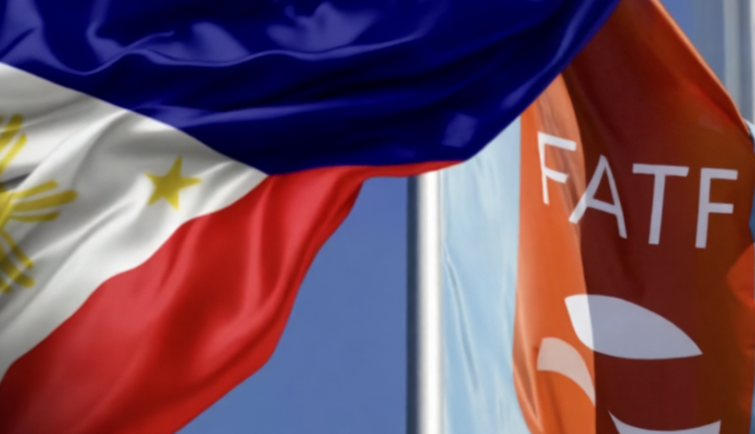
Core Risks of the Grey List: Corruption Cases and Regulatory Concerns
The risk of returning to the grey list is not due to a single factor, but is centered on two key points:
Impact of corruption cases: Closely related to the massive corruption cases in government flood prevention projects exposed last year, as the chairman of the Anti-Money Laundering Council (AMLC), Remolona revealed that authorities have obtained court orders to freeze assets involving over 4,600 bank accounts and hundreds of insurance policies, with investigations into related individuals and entities still progressing;
Potential variables: New regulatory violations may be uncovered during investigations, which could add extra pressure on the Philippines' compliance efforts and further increase the uncertainty of returning to the grey list.
POGO Regulation: From Key Issues to Ongoing Rectification
The regulation of Philippine Offshore Gaming Operators (POGO) was once a focal point of international attention and a core concern of the FATF:
Past issues: The POGO industry, due to early lax regulation, became a risk point for anti-money laundering and counter-terrorism financing (AML/CTF), raising international concerns;
Rectification results: In recent years, the gambling regulatory authority (PAGCOR) has intensified rectification efforts, shutting down non-compliant businesses and strengthening compliance requirements, with Chairman Alejandro Tengco being commended for implementing AML/CTF requirements;
Current status: Although overall regulation has significantly strengthened, POGO is unlikely to be the focus of the 2027 FATF assessment, but regulatory loopholes still not completely sealed off remain a potential risk point that could raise questions.
Response Strategy: High-Pressure Rectification + Continuous Improvement Without Slackening
To avoid returning to the grey list, multiple departments in the Philippines have initiated a series of response measures:
Strengthening investigation enforcement: Continuously advancing corruption case investigations, strictly implementing asset freezing and other control measures, leaving no breathing space for violations;
Adhering to regulatory baselines: PAGCOR has made it clear that it will continue to ensure that all regulated enterprises strictly comply with anti-money laundering regulations, maintaining a high-pressure regulatory stance on the POGO industry;
Long-term goals: By continuously improving the compliance system and plugging regulatory loopholes, the Philippines aims to demonstrate to the FATF its firm determination and actual effectiveness in anti-money laundering and financial regulation, completely eliminating the risk of the grey list.
————
This article is from "PASA-Global iGaming Leaders," a gambling industry news channel: https://t.me/pasa_news
Original in-depth gambling channel: https://t.me/gamblingdeep
Free data reports: @pasa_research
PASA Matrix: @pasa002_bot
PASA official website: https://www.pasa.news