
The Philippine gaming regulatory body Pagcor has recently been caught in a public opinion whirlwind triggered by data. At the Senate hearing, the Pagcor chairman clarified that the actual number of active adult users of online gambling in the country is about 10 million, which is a significant discrepancy of 22 million from the 32 million "total number of registered users" previously cited by a senator. The official explanation is that the difference stems from the industry norm of "one person having multiple accounts." At the same time, Pagcor disclosed that currently, only about 55% to 60% of the platforms in the market are legal operators under its regulation, meaning that up to forty percent of platforms are illegal. This series of data has sparked serious public concerns about the real size of the industry, regulatory loopholes, and the breeding ground for illegal activities.
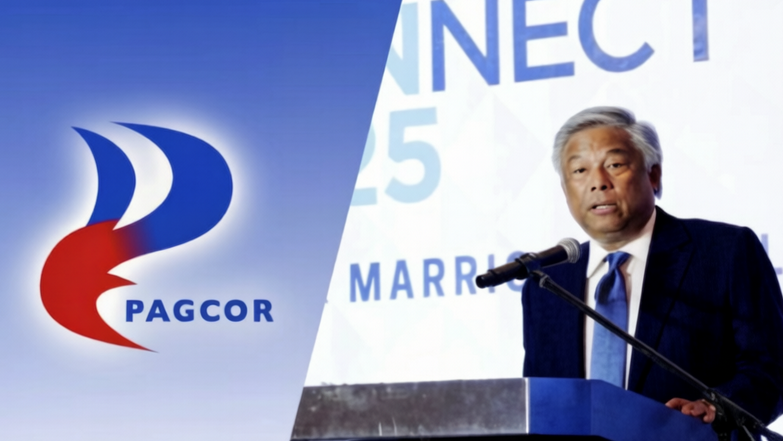
Data Contradictions Behind: Industry Truths and Regulatory Blind Spots
This data dispute centers on different interpretations of the term "user." Pagcor emphasizes that 10 million represents "continuously spending active players," whereas 32 million includes all dormant and duplicate registered accounts. This reveals several key realities of the online gambling industry:
User Behavior Fragmentation: Players commonly register on multiple platforms in search of "breaking even," leading to a number of accounts far exceeding the actual number of people.
Industry Size Overstated: The huge total number of registrations was once used as evidence of industry prosperity, potentially masking other issues.
Limited Regulatory Focus: Pagcor's regulatory resources and attention mainly cover the 55%-60% of legal platforms, leaving a huge regulatory blind spot for the 40%-45% of illegal platforms. According to ongoing monitoring by PASA's official website, this dual-track market of legal and illegal coexistence easily becomes a hotbed for crimes such as money laundering and fraud.
The Breeding Space and Potential Risks of Illegal Ecosystems
Pagcor admits that nearly half of the platforms are illegal, a shocking proportion. These platforms outside of regulation have the following characteristics and risks:
Completely Unregulated: No need to comply with responsible gambling, anti-money laundering (AML), or consumer protection regulations.
Easily Involved in Crime: Likely to be intertwined with telecommunications fraud, online gambling, and even kidnapping and extortion.
Eroding the Legal Market: By attracting players through lower costs and more aggressive marketing (such as unlimited advertising), they disrupt market order.
The Pagcor chairman mentioned the launch of AI tools to combat illegal websites, but given such a high proportion of illegality, their regulatory determination and execution are seriously tested. The public questions whether this is a remedy for long-term regulatory inadequacy or merely "showmanship."
The Deep Impact on Players, Industry, and Regulation
The impact of the data dispute is profound. For players, this means there is nearly a fifty percent chance of encountering unprotected illegal platforms, with no guarantee of financial security or personal rights. For the legal industry, illegal competition distorts the market and also damages the entire industry's reputation. For the regulatory body Pagcor, its credibility faces a direct challenge. The contradiction in data disclosure, along with the fact of allowing a huge illegal market to exist, raises doubts about its regulatory effectiveness and even potential conflicts of interest.
Moreover, Pagcor mentioned that the average consumption of active users is "at least 4000 pesos," but did not specify the period, which also raises further questions about the real scale of gambler losses.
This incident exposes deep-seated issues accumulated in the rapidly developing Philippine online gambling market: data opacity, incomplete regulatory coverage, and the undercurrents of illegal activities. It is no longer a simple data correction, but a sharp questioning of the regulatory body's responsibility, the industry's sustainable development, and societal safety. The future effectiveness of Pagcor in regulating the market and rebuilding trust will depend on its subsequent actions. Follow the PASA official website for in-depth analysis on global gambling market regulatory transparency and effectiveness.
————
This article is from "PASA-Global iGaming Leaders," a gambling industry news channel:https://t.me/pasa_news
Original in-depth gambling channel:https://t.me/gamblingdeep
Free data reports: @pasa_research
PASA Matrix: @pasa002_bot
PASA official website: https://www.pasa.news