
Have you noticed that the map of gambling regulation in Europe is undergoing a quiet but profound "plate movement"? On one side, the Nordic countries are gritting their teeth to say goodbye to the long-standing state monopoly model, while on the other side, Southern Europe's Italy is continuously raising compliance thresholds. By 2026, the European gambling industry is not monolithic, but under the backdrop of converging technical standards, it is staging a diversified story of countries adjusting their regulatory strategies according to their own national conditions. Understanding these differences is no longer just a strategic need for industry insiders, but a "survival skill".
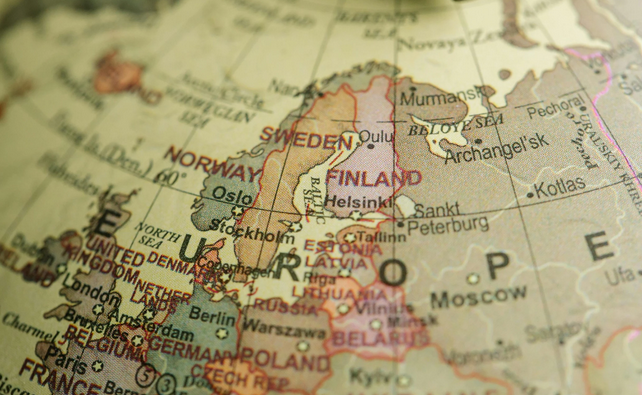
Finland and Norway: The Difficult Transformation of the State Monopoly Model
For a long time, Nordic countries such as Finland and Norway have relied on the state monopoly model to control the gambling industry, aiming to use profits for social welfare and control harm. However, the digital age has exposed many flaws in this system.
Finland has officially legislated to end the state-owned Veikkaus's monopoly on online gambling by the end of 2026, moving towards a licensing system. The direct reason for the reform is that up to 50% of Finnish players' funds are flowing to unregulated foreign sites. The new law allows international operators to apply for licenses at the beginning of 2026, but also tightens advertising regulations, such as banning influencers from promoting gambling.
Norway faces almost the same predicament. Data shows that half of its online betting amounts are flowing to international sites. Even the monopoly operator Norsk Tipping has been heavily fined for failing to fulfill adequate consumer protection obligations. Industry voices believe that Norway should follow the successful transformations of Denmark and Sweden and adopt a multi-license system to bring the existing gray market into a regular, transparent regulatory framework.
Italy: Raising the Bar, Entering an Era of "Elitization"
While the Nordics are thinking about how to "open the door," Southern Europe's Italy is thinking about how to make the door even "narrower" and "stricter". Italy's recent regulatory reforms show a trend of comprehensive tightening and enhanced control.
The new licensing system significantly limits the number of operators and significantly raises financial and technical thresholds. This means that compliance costs are soaring, market consolidation is accelerating, well-funded large enterprises will gain an advantage, and new entrants and small operators face huge challenges. Here, compliance is no longer a remedial measure but must be integrated into every aspect of product design, marketing, and customer interaction. This change makes in-depth legal interpretation and strategic planning more important than ever.
Europe's "Quiet Convergence": Technical Standards and AML Framework
Although the regulatory paths of different countries vary, a "quiet convergence" is happening at the cross-border operational and technical levels, mainly reflected in two aspects:
Harm Marking Standards: The European Committee for Standardization (CEN) has completed a standard proposal on online gambling "harm marking" (NEN-EN 18144:2025). This standard aims to help operators uniformly identify risky gambling behaviors and is expected to be released in 2026 for voluntary adoption by countries. This provides a set of common risk identification tools for cross-border operators.
Anti-Money Laundering Guidelines: The European Gaming and Betting Association (EGBA) plans to update its anti-money laundering guidelines in 2026 to align with the newly established EU Anti-Money Laundering Authority framework. Although the new EU framework will not be fully applicable until 2027, this clarifies the direction of strengthened industry regulation.
Global Perspective: Market Opportunities Under Regulatory Diversification
The global gambling market in 2026 presents a clear "give and take" situation.
Within Europe: Continues to tighten advertising. For example, Ireland and Croatia have implemented "watershed restrictions" (i.e., banning during certain times) on TV advertising, while Denmark bans advertising near campuses and to people under 25.
Latin America and Africa: These regions are becoming growth hotspots. Latin America benefits from a mobile-first population structure and rapid adoption of new payment methods. Africa has a large young population and a rapidly expanding mobile network penetration rate, such as Kenya's mobile data subscriptions exceeding its total population.
Asia: The market is complex and diverse. Japan is looking forward to the opening of its first integrated resort. Meanwhile, India and Turkey are moving towards strict restrictions, with India's Supreme Court set to hold a critical hearing on a strict online gambling ban in late January 2026, and Turkey has already legislated a complete ban on all gambling advertising.
In summary, the gambling regulatory landscape in 2026 is complex and dynamic. For practitioners, the key is to understand this global regulatory diversification and have the flexibility and foresight to find a balance between strict compliance and market opportunities. Regardless of how policies change, placing consumer protection and responsible gambling at the core is always the foundation of the industry's sustainable development. For a deeper understanding of specific market compliance details, you can refer to the regional analysis reports on the PASA official website.
————
This article is from "PASA-Global iGaming Leaders" gambling news channel: https://t.me/pasa_news
Original gambling deep channel: https://t.me/gamblingdeep
Free data reports: @pasa_research
PASA Matrix: @pasa002_bot
PASA official website: https://www.pasa.news