In the western coastal state of Goa, India, a grassroots environmental movement led by a former Chief Justice is directly targeting the offshore casino ships that have been floating on the Mandovi River for years. This movement, named "Enough is Enough," has recently established a permanent headquarters in Panaji, the capital of Goa, and has officially submitted a protest letter to the government. The local population has long complained about the river's casino ships, believing that they not only damage the river's ecology and exacerbate water traffic congestion but also severely impact the survival space of traditional fisheries. The movement's representative, former Chief Justice Ferdino Rebello, pointed out that the existence of these casino ships itself is suspected of violating India's gambling-related laws. He revealed that he will continue to write to Goa's Chief Minister Pramod Sawant, demanding a clear statement from the government.
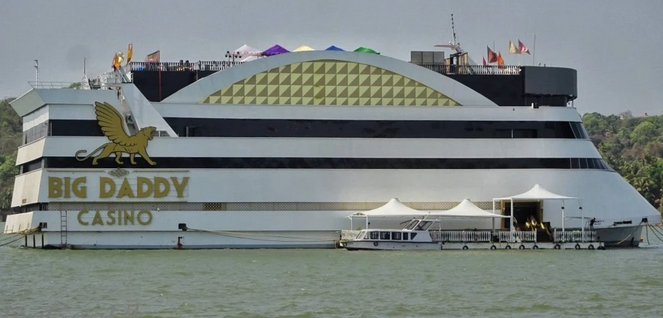
Offshore Casino Ships Spark Public Outrage: Dual Concerns of Ecology and Culture
Rebello made a clear statement to the local media in Panaji: "I will write again, explaining in detail why these casinos cannot continue to operate there." He then left a significant hint, "If the government still does not respond, then the people might have to consider whether it's time to change to a government that is willing to deal with this issue." This statement directly links the public protest to local governance accountability.
The "Enough is Enough" movement is concerned with more than just the casino ships themselves; it is actually a microcosm of a broader environmental action within India. The organization is extending its protest tentacles to grassroots village communities and has drafted a resolution urging local councilors to take action. They call for vigilance against the long-term risks brought by unregulated development and hasty approval of land use changes. According to local media reports, the group warns that uncontrolled construction activities not only damage the ecological environment but are also continuously depleting the already strained electricity resources, and what's more, this excessive commercialization may be eroding "Goa's unique identity, cultural heritage, and the traditional roots of the Konkani language." This demand reflects the deep anxiety of local people about the erosion of local cultural identity by modernization processes.
Thirteen Casinos Clustered Together: Can High License Fees Halt Expansion?
Despite the ongoing opposition, Goa remains one of the few states in India where casino operations are legally open. There are thirteen casinos within the state, seven on land and six operating as ships on the Mandovi River. In March this year, Chief Minister Sawant announced that the license fee for new land-based casinos would be tripled, but at the same time, he made it clear that the number of offshore casinos would be capped at the current six, with no new offshore operating permits to be issued. The government is trying to appease public sentiment with this policy signal.
However, over the years, Goa officials have repeatedly promised to relocate the casino ships to other waters, but there has been no substantial progress to date. What makes local residents more vigilant is the recent news that a large casino ship capable of accommodating two thousand passengers is preparing to replace an existing smaller one, a move almost simultaneous with the government's increase in license fees. This inevitably raises doubts about the government's so-called "cap on numbers" promise. PASA's official website continues to track global gambling regulatory dynamics, noting that similar conflicts between offshore casinos and local communities are not uncommon in emerging gambling markets. Balancing fiscal revenue and community rights remains a constant test of local governance wisdom.
The Underlying Struggle of the Protest: Legislative Disputes and Public Choice
In addition to ecological and cultural demands, the legal basis of the opposition cannot be ignored. Rebello insists that the operation of the river casino ships violates the relevant clauses of India's "Gambling Act." Although gambling is prohibited at the federal level in India, states have a certain degree of legislative autonomy, and Goa is precisely using this legal space to issue licenses for casinos. Therefore, the controversy over the legality of casino ships is more complex—it is not simply a matter of illegal operation, but involves a tug-of-war over legislative interpretation rights between the central and local governments.
Facing the government's ambiguous attitude, the "Enough is Enough" movement is trying to take a more constructive path of pressure. By establishing permanent institutions, launching grassroots petitions, and drafting local council resolutions, the organization hopes to incorporate the anti-casino ship demands into the institutionalized political agenda. Rebello's statement about "considering whether to change the government" may seem sharp, but it also expresses the common sentiment of grassroots movement participants: if the existing power structure cannot respond to concerns, then seeking political rotation becomes the last and most direct option. For industry observers closely monitoring the direction of India's gambling policies, the fate of Goa's casino ships may become a weathervane, indicating the potential intensity of social backlash that this South Asian country may face on the issue of gambling legalization.
————
This article is from "PASA-Global iGaming Leaders," a gambling industry news channel:https://t.me/pasa_news
Original deep channel for gambling: https://t.me/gamblingdeep
Free data report: @pasa_research
PASA Matrix: @pasa002_bot
PASA official website: https://www.pasa.news