
Mexico's gambling industry is experiencing a prolonged wait. In a recent interview, Miguel Angel Ochoa Sanchez, the president of the industry association AIEJA, put it bluntly: the entire industry is in a state of limbo, with no clear understanding of what the final version of the so-called new law will look like. The waiting began in December 2024, when President Zinbaum publicly stated the need for a new "Federal Gambling and Lottery Law" and tasked the Ministry of the Interior as the regulatory body to draft a proposal for legislative review. In the first quarter of 2025, the Ministry of the Interior indeed pushed forward the formation of a working group, inviting the entire industry to participate in thematic discussions to enrich the proposal. However, since then, everything has fallen silent. Ochoa had hoped that the updated framework could be sent to Congress by the end of the first session in 2026 (ending April 30), but the current progress has essentially dashed these expectations. The more pressing timeline is that, as one of the co-hosts, the 2026 World Cup in Mexico will kick off in June, and a modern regulatory system is clearly unable to be in place before the event starts.
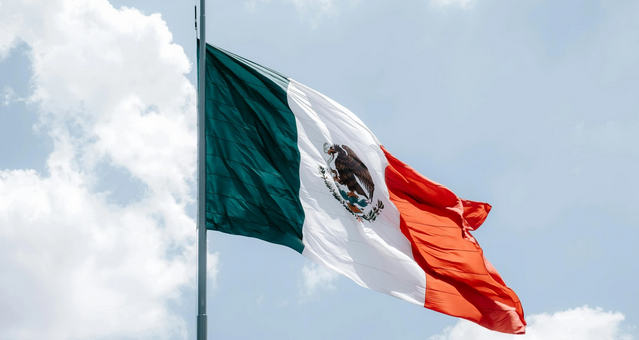
The nearly eighty-year-old law cannot support a World Cup-level market
The Mexican gambling industry is still constrained by a legal framework enacted nearly eighty years ago, with the online gambling sector particularly in a regulatory gray area. Ed Birkin, Managing Director of H2 Gambling Capital, has issued a warning: the lack of formal and up-to-date regulation is causing capital to shy away from the Mexican market, despite its evident potential. Data also supports this judgment—the growth rate of Mexico's gambling market has slowed from 40% last year to 20% in 2025. Birkin expects the market to continue to expand, but the diminishing marginal growth rate is clearly discernible.
Alfredo Lazcano and Andrea Avidelio Buila of the Mexican law firm Lazcano Sámano further pointed out that the regulatory body, the Ministry of the Interior, has not maintained active or sustained dialogue with the industry in recent years. Their words are quite sharp—lack of communication itself is not a typical characteristic of a truly prosperous market. In their view, the future direction of Mexico's gambling market largely depends on whether the regulatory authorities can come up with more efficient coordination mechanisms and whether they can release the long-awaited policy clarity to the industry.
The World Cup window period's forced effect falls through
For any country co-hosting the World Cup, the traffic bonus of top events often serves as the best catalyst for regulatory reform. Brazil completed gambling legislation breakthrough before the 2014 World Cup, and Russia continued to optimize its regulatory framework during the 2018 World Cup cycle, while Mexico is about to miss this window. Ochoa's anxiety is evident: when global sports gambling capital and players focus on Mexico due to the World Cup, this market cannot even present a modern legal framework that clarifies the legal boundaries of online gambling, regulates operator access, and sets tax standards.
From an industry perspective, the regulatory vacuum brings more than just capital on the sidelines. The lack of clear rules means that licensed operators are at a natural disadvantage in competition with gray market platforms—the legal side is hamstrung by the vague provisions of the old law, while the illegal side operates without any concerns. The capital investment shortfall mentioned by Birkin is essentially due to the uncertainty of the rules raising the discount rate of investment.
PASA official website continues to track the progress of gambling regulatory reforms in Latin America, noting that Mexico's current predicament has significant warning implications within the regional scope. From Brazil's completion of comprehensive regulatory transformation in 2025 to accelerated legislative steps in Peru and Chile, Latin American gambling regulation is undergoing a collective upgrade. If Mexico continues to tread water within the old legal framework, it will not only miss the short-term benefits brought by the World Cup but may also fall from a leader to a follower in long-term regional market competition. What Ochoa and his industry colleagues need most right now may not be more thematic discussions and working group meetings, but a draft text that can be placed on the parliamentary table.
————
This article is from "PASA-Global iGaming Leaders," a gambling industry news channel: https://t.me/pasa_news
Original in-depth gambling channel: https://t.me/gamblingdeep
Free data reports: @pasa_research
PASA Matrix: @pasa002_bot
PASA official website: https://www.pasa.news